
Introduction
In a world obsessed with speed—fast food, same-day shipping, weekend getaways—it’s easy to overlook the magic of slowing down. Enter slow travel, a growing movement that’s redefining how we explore the world.
Unlike traditional tourism, which rushes from one landmark to another, slow travel invites you to stay longer, connect deeper, and experience more. It’s not about seeing everything—it’s about seeing something fully.
Whether you’re a digital nomad, vacationer, or long-term wanderer, this blog explores the philosophy, benefits, and practical tips of slow travel—and why it might just change the way you experience the world forever.
1. What Is Slow Travel?
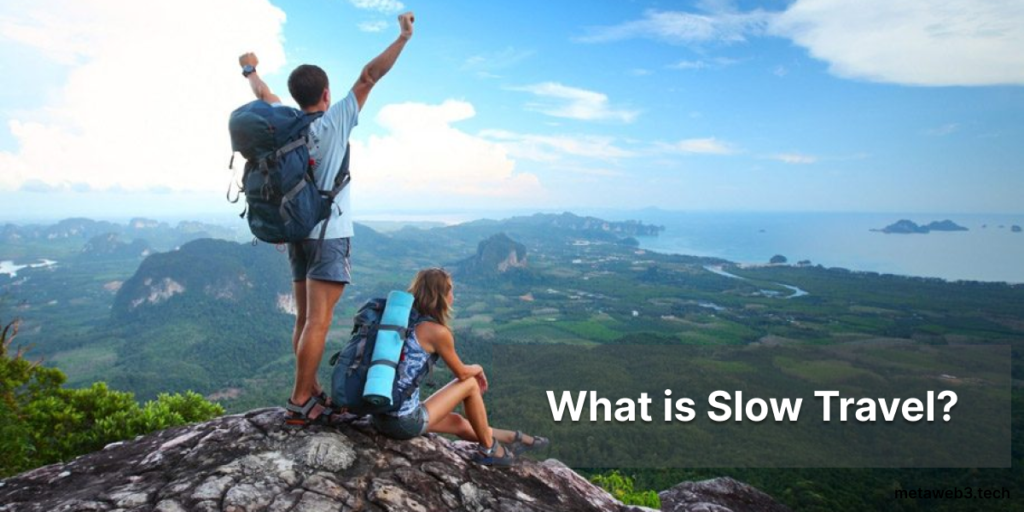
Slow travel is a mindset and movement that values connection over consumption, and depth over distance. It emphasizes:
- Staying longer in fewer places
- Immersing yourself in local culture and lifestyle
- Minimizing environmental impact
- Traveling at a relaxed pace—often by train, bike, or foot
- Building relationships with people and places
🧭 In short:
“It’s not about how far you go—it’s about how deeply you experience.”
2. Why Slow Travel Is Gaining Popularity
🌱 a) Sustainability
The average short-haul flight emits hundreds of kilograms of CO₂. Slow travel reduces this footprint through ground transport, local living, and minimal waste.
😌 b) Mental Health
Rushed travel can feel like a to-do list. Slow travel fosters calm, reflection, and presence—turning a trip into a healing experience.
💸 c) Budget-Friendly
Staying longer often means lower nightly rates, fewer transit costs, and more meals cooked at home.
🌍 d) Cultural Curiosity
When you slow down, you discover hidden corners, local hangouts, and real stories that quick trips miss.
3. The Philosophy of Slow Travel
Slow travel aligns with other “slow” movements like slow food, slow living, and minimalism. At its core, it’s about intentionality.
🧘♀️ Principles:
- Travel with purpose, not pressure
- Support local economies, not tourist traps
- Savor the journey, not just the destination
- Learn, not just see
You become a temporary local, not just a tourist.
4. Benefits of Slow Travel
| Benefit | Impact |
|---|---|
| 🧠 Mental Clarity | Reduces travel fatigue, encourages mindfulness |
| 💬 Deeper Connections | Time to form friendships and understand local life |
| 💰 Cost Control | Long-term stays reduce daily expenses |
| 🌿 Lower Footprint | Fewer flights and more local transit = greener travel |
| 📸 Better Memories | You remember moments, not checklists |
5. Where to Try Slow Travel
Slow travel can happen anywhere, but some places are especially ideal:
🏞️ Top Destinations:
- Chiang Mai, Thailand – Digital nomad haven with rich culture and affordability
- Lisbon, Portugal – Walkable, vibrant, and full of community
- Oaxaca, Mexico – Culinary capital with deep indigenous heritage
- Ubud, Bali – Yoga, art, and nature in perfect harmony
- Florence, Italy – Art, architecture, and espresso, one piazza at a time
- Kyoto, Japan – Tranquil gardens, tea houses, and temple life
6. How to Practice Slow Travel (Tips & Habits)
🏡 a) Choose Longer Stays
- Stay at least 2 weeks in one location
- Opt for homestays, guesthouses, or Airbnbs with kitchens
- Live like a local—not a guest
🚶 b) Walk, Bike, or Use Public Transit
- You’ll discover more on foot than from a bus
- Support green transport (e-bikes, trains, ferries)
- Observe daily life and interact authentically
🍽️ c) Eat Local, Cook Local
- Shop at markets
- Learn local recipes
- Avoid global chains—support small eateries and street food vendors
📚 d) Learn the Language (Even Basics)
- Even “hello,” “thank you,” and “how much?” go a long way
- Use apps like Duolingo, Memrise, or Google Translate
📆 e) Leave Gaps in Your Schedule
- Don’t overplan. Leave room for spontaneity, conversations, and rest.
- Let the city guide you—not just the itinerary
7. Technology and Slow Travel: A Healthy Balance
Tech can either distract or enhance slow travel—depending on how you use it.
| Tool | Purpose |
|---|---|
| Workaway / WWOOF | Volunteer in exchange for lodging and learning |
| Couchsurfing | Stay with locals and share experiences |
| Rome2Rio | Eco-friendly travel routes and transport options |
| Polarsteps / Notion | Document your journey thoughtfully |
| HappyCow | Find vegan/vegetarian eateries worldwide |
Avoid travel burnout by disconnecting from social media regularly.
8. Traveling Slowly While Working Remotely
The rise of remote work makes slow travel more accessible than ever.
💻 Tips for Digital Nomads:
- Find co-working spaces or cafes with solid Wi-Fi
- Stick to a routine (work hours, time zones, weekends off)
- Choose quiet towns over loud tourist cities
- Balance productivity with exploration
- Always have a backup hotspot or SIM
Work-life-travel balance = the new dream.
9. Stories from Slow Travelers
“I spent three months in Oaxaca learning Spanish, volunteering, and making lifelong friends. I saw less—but experienced more.”
— Hannah, 31
“Living a month in a Kyoto guesthouse taught me more about Japan than my previous three trips combined.”
— Jason, 38
“I used to rush through Europe. Now, I stay weeks in each town, reading, walking, and soaking it all in.”
— Alina, 27
10. Slow Travel vs. Vacation: What’s the Difference?
| Element | Vacation | Slow Travel |
|---|---|---|
| Duration | 5–10 days | 2+ weeks to months |
| Goal | Escape and unwind | Connect and experience |
| Pace | Fast, packed days | Relaxed, open schedule |
| Style | Hotels and resorts | Local homes, guesthouses |
| Outcome | Memories | Transformation |
You don’t have to choose one over the other—but it helps to know the difference.
Conclusion
Slow travel isn’t about doing less—it’s about doing more intentionally. It allows you to see the soul of a place, not just the sights. You gain deeper memories, meaningful relationships, and a greater respect for people and the planet.
As the world redefines what it means to live well and travel responsibly, slow travel is no longer a luxury—it’s a philosophy for those who seek fulfillment over frenzy.
So next time you travel, try slowing down. You might just discover what you’ve been missing all along.