

Introduction
Traveling the world isn’t just about exploring landmarks or tasting new food—it’s also about connecting with people. And when it comes to connection, respect is the universal language.
Each culture has its own customs, gestures, taboos, and unspoken rules. What’s polite in one place might be rude in another. Understanding and respecting cultural etiquette is key to being a thoughtful, safe, and welcome global traveler.
This blog offers a comprehensive guide to etiquette tips from around the world—so you can navigate new places with confidence, humility, and grace.
1. Why Cultural Etiquette Matters
✈️ a) First Impressions Count
Your behavior reflects not just you, but how people view travelers from your country.
🧠 b) Avoid Misunderstandings
A simple misstep—a gesture, a word, a touch—can unintentionally offend.
❤️ c) Build Authentic Connections
Respect opens doors to deeper conversations, better service, and unforgettable experiences.
2. Greetings Around the World
How you say “hello” sets the tone for every interaction.
| Country | Greeting Norm |
|---|---|
| Japan | Bow (deeper = more respect) |
| France | Light cheek kisses (usually 2) |
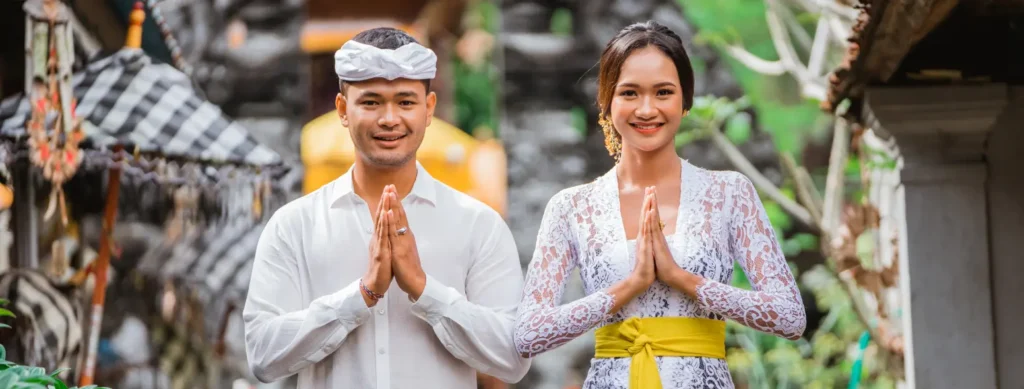
| Thailand | Wai: Pressed palms with a bow |
| USA/Canada | Firm handshake or casual “Hi” |
| India | Namaste (palms together) |
| Middle East | Right-hand handshake only; sometimes with a kiss between men |
| Russia | Handshake with eye contact (no hands in pockets!) |
Tip: When in doubt, mirror the local or go for a respectful nod or smile.
3. Dining Etiquette Tips
🍽️ a) Table Manners Vary
| Country | Rule |
|---|---|
| Japan | Don’t stick chopsticks upright in rice (symbol of death) |
| Italy | Don’t ask for ketchup or cheese unless offered |
| China | Slurping noodles = appreciation |
| Middle East | Eat with your right hand only |
| France | Hands visible on the table (but not elbows) |
| India | Wash hands before and after; often eat with hands |
Always wait for the host to begin, and observe others if unsure.
4. Dress Code Do’s and Don’ts
Dressing modestly is often a sign of respect—especially in religious or rural regions.
| Place | Tip |
|---|---|
| Mosques, temples | Cover shoulders, legs, and head (in some cases) |
| Europe | Casual is fine, but dining or churches = smart casual |
| Southeast Asia | Avoid tank tops and short shorts, especially in small towns |
| Middle East | Loose-fitting clothing; cover arms and knees (women may need headscarves) |
Pro Tip: Pack a scarf or shawl—it can double as a cover-up when needed.
5. Body Language and Gestures
Gestures can mean completely different things across cultures.
| Gesture | Meaning by Region |
|---|---|
| 👍 Thumbs-up | Good in US/Europe; rude in Iran, Greece |
| 👌 OK Sign | Fine in US; offensive in Brazil and Turkey |
| 👣 Showing Soles of Feet | Disrespectful in Arab and Southeast Asian countries |
| 👆 Pointing | Rude in many Asian cultures—use your full hand or thumb |
| 👐 Touching Head | Inappropriate in Buddhist cultures (head is sacred) |
Rule of thumb: Keep gestures minimal and observe before you act.
6. Tipping Customs
Tipping expectations vary greatly—research before you go.
| Country | Tipping Norm |
|---|---|
| USA/Canada | 15–20% standard at restaurants |
| Japan | Tipping is considered rude—good service is expected |
| France | 5–10% if not included in bill (service compris) |
| India | 10% in restaurants; small tips for hotel staff |
| UK | 10–15% appreciated in sit-down restaurants |
Carry small bills and coins for tips when traveling.
7. Respecting Religion and Sacred Spaces
- Remove shoes before entering temples, mosques, or some homes
- Don’t take photos of religious icons unless allowed
- Dress appropriately and speak quietly
- In Buddhist areas, don’t turn your back on statues
- Always ask before joining or filming religious ceremonies
Respect for sacred spaces = respect for people’s identities.
8. Photography Etiquette
Taking photos is tempting—but not always appropriate.
📸 Tips:
- Ask for permission before photographing people, especially elders or children
- Avoid taking pictures of military, police, or government buildings
- In some cultures, photography is considered intrusive or disrespectful
- Don’t use flash in dark or sacred places
Be a traveler, not a paparazzo.
9. Gift-Giving Customs
Gift-giving can be a warm gesture—or an awkward one if mishandled.
| Country | Custom |
|---|---|
| Japan | Give with both hands; wrap gifts beautifully |
| China | Avoid clocks, handkerchiefs, or sharp items (symbols of bad luck) |
| Russia | Odd number of flowers only |
| Arab cultures | Avoid alcohol unless you’re sure it’s appropriate |
| India | Sweets or fruit are appreciated; avoid leather or meat for vegetarians |
Learn the symbolism and etiquette before gifting.
10. Public Behavior and Space
- Queueing (standing in line) is strict in the UK and Japan
- Loud voices may be seen as disrespectful in places like Finland or Korea
- Displays of affection are discouraged in India, the Middle East, and Southeast Asia
- Haggling is expected in markets in Morocco, Turkey, and Egypt—but not in malls or restaurants
Being aware of your volume, behavior, and body shows cultural awareness.
11. Technology and Etiquette
Even phones require manners.
- Don’t talk loudly on phones in quiet zones (trains, temples, cafes)
- Avoid texting or taking calls during meals or conversations
- Don’t use phones to translate offensive or overly personal questions
Remember: presence > performance.
12. A Word on Language
- Learn basic phrases: “Hello,” “Thank you,” “Please,” “Excuse me,” “How much?”
- Locals appreciate the effort—even if your accent isn’t perfect
- Use respectful forms of address (Mr., Ms., Sir, etc.)
When you try the language, you’re showing effort, not perfection.
13. LGBTQ+ and Women Travelers: Be Informed
🏳️🌈 LGBTQ+:
- Research local laws and norms; some countries criminalize same-sex relationships
- Be discreet in conservative regions
- Travel apps like Equaldex provide legal and social guides by country
👩 Women:
- Dress modestly where expected
- Avoid walking alone at night in unfamiliar areas
- Learn local customs around gender roles and boundaries
- Trust your instincts and ask local women for advice when in doubt
Conclusion
Cultural etiquette isn’t about walking on eggshells—it’s about walking with respect, curiosity, and open-mindedness. By learning and honoring the ways of others, you become more than a tourist. You become a bridge between worlds.
So pack your bags, your camera, and your good intentions—but also pack empathy, awareness, and humility. The world will open itself to you when you do.