

Introduction
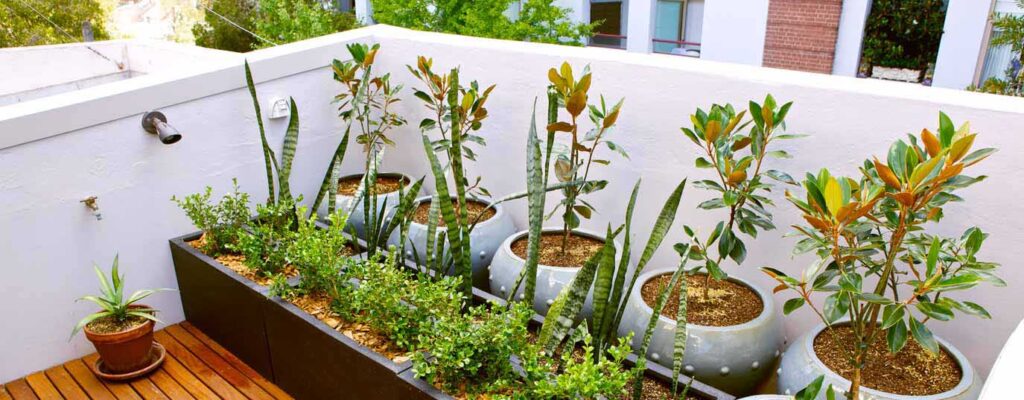
Think you need a big backyard to grow your own food? Think again. With rising food prices, limited space, and increasing awareness of sustainable living, more people than ever are turning to urban gardening—growing herbs, veggies, and fruits in apartments, balconies, rooftops, or even windowsills.
Urban gardening isn’t just practical—it’s also deeply rewarding. It brings fresh produce, improved well-being, and a closer connection to nature right to your doorstep, no matter how small your space.
This blog will walk you through how to start and succeed in growing your own food in small urban settings, even if you’re a total beginner.
1. Why Urban Gardening?
🌱 Key Benefits:
- Fresh, organic produce right at home
- Reduces food waste and packaging
- Saves money on groceries
- Improves mental health and reduces stress
- Encourages sustainable living habits
- Enhances air quality and brings nature closer
Growing even a few herbs or greens can make a big impact on your lifestyle and footprint.
2. Can You Garden Without a Backyard? Yes!
Urban gardening works in a variety of small spaces, including:
| Space | Ideal Use |
|---|---|
| 🪟 Windowsills | Herbs and microgreens |
| 🪴 Balconies | Potted vegetables and flowers |
| 🌞 Rooftops | Larger containers and trellises |
| 🧺 Wall-mounted planters | Vertical gardens and herbs |
| 📦 Kitchens | Hanging planters, hydroponics |
The key is to maximize your vertical space and choose the right crops.
3. Best Edible Plants for Small Spaces
Some plants thrive in containers and compact environments. Here’s a starter-friendly list:
🌿 Herbs:
- Basil
- Mint
- Parsley
- Cilantro
- Thyme
- Rosemary
- Chives
🥬 Leafy Greens:
- Spinach
- Lettuce
- Kale
- Arugula
- Swiss chard
🍅 Vegetables:
- Cherry tomatoes
- Peppers
- Radishes
- Carrots (in deep pots)
- Green onions
🍓 Fruits (small varieties):
- Strawberries
- Dwarf lemons/limes (in large containers)
- Blueberries (in acidic soil)
4. Container Gardening Basics
You don’t need soil in the ground—you just need the right containers.
🪴 Choosing the Right Pots:
- Use drainage holes to avoid root rot
- Clay pots = breathable, good for herbs
- Plastic = lightweight and retains moisture longer
- Self-watering containers are great for busy schedules
🛠️ DIY Ideas:
- Reuse buckets, crates, and plastic bins
- Repurpose mason jars, tin cans, or wine boxes for herbs
- Try hanging shoe organizers or wall planters for vertical gardens
5. Soil and Composting in the City
🧂 Potting Mix:
- Use high-quality organic potting soil (not garden soil)
- Add compost or coco coir for improved nutrition and drainage
♻️ Composting Options:
- Indoor compost bins (odor-free, compact)
- Vermicomposting with worms
- Bokashi compost systems for kitchens
Even small scraps can feed your garden and reduce landfill waste.
6. Watering Wisely
Urban plants dry out faster, especially in containers.
💧 Tips:
- Check soil daily in summer
- Water in the morning or late afternoon to avoid evaporation
- Use mulch (straw, bark, leaves) to retain moisture
- Install drip irrigation or self-watering spikes for low maintenance
Pro Tip: Group plants by water needs so you don’t over/underwater anything.
7. Light Is Everything
Plants need light—period. Know your space.
| Light Level | Best Plants |
|---|---|
| ☀️ Full Sun (6–8 hrs/day) | Tomatoes, peppers, herbs |
| 🌤️ Partial Sun (3–6 hrs/day) | Spinach, lettuce, root veggies |
| 🌥️ Low Light (indirect) | Mint, chives, microgreens |
💡 No Sun? No Problem:
Use LED grow lights to mimic sunlight indoors.
8. Vertical Gardening: Go Up, Not Out
Don’t let square footage limit you. Use walls, shelves, and rails to grow vertically.
🧱 Options:
- Hanging baskets
- Trellises for beans and cucumbers
- Ladder shelves
- Stackable planters
- Pallet gardens
Vertical gardens = more food in less space.
9. Hydroponics: Soil-Free Growing Indoors
Hydroponics allows you to grow leafy greens using water + nutrients—no soil needed.
💡 Beginner Systems:
- Kratky (no electricity needed)
- Countertop hydroponic kits (e.g., AeroGarden)
- Mason jar DIY hydro setups
It’s a clean, fast, and futuristic way to grow indoors.
10. Urban Gardening Challenges (and Solutions)
| Challenge | Solution |
|---|---|
| Limited sunlight | Use grow lights or choose shade-tolerant crops |
| Pests | Use neem oil, companion planting, or netting |
| Space | Maximize vertical or hanging setups |
| Forgetting to water | Use reminders or automatic watering tools |
| Poor drainage | Elevate pots and ensure holes are clear |
Every problem has a plant-based solution 🌿
11. Mental and Emotional Benefits of Gardening
🌼 Proven Wellness Perks:
- Reduces anxiety and depression
- Boosts mood and satisfaction
- Enhances focus and creativity
- Encourages mindfulness and gratitude
- Increases Vitamin D exposure (sunlight)
Your garden isn’t just feeding your body—it’s healing your mind and soul.
12. Community Gardening & Sharing
If space is tight or you want to grow with others:
- Join a local community garden
- Volunteer for urban farms
- Swap seeds or harvests with neighbors
- Share knowledge via social media or local meetups
Urban gardening connects you with people and the planet.
13. Apps & Tools to Help You Grow
| App | Features |
|---|---|
| From Seed to Spoon | Planting tips by location & season |
| Planta | Watering reminders & plant care advice |
| Gardenate | What to grow now in your climate |
| Trellis | Community gardening journal & progress tracker |
Use tech to make your green space smart and sustainable.
Conclusion
You don’t need acres of land to grow food. You need intention, a little sunlight, and the desire to reconnect—with nature, with nourishment, and with yourself.
Urban gardening is about making the most of what you have. Whether you grow a single herb pot or a balcony bursting with greens, you’re taking a powerful step toward healthier living, cleaner eating, and more sustainable choices.
Start small. Grow slow. And watch your life bloom—one seed at a time.