

Introduction
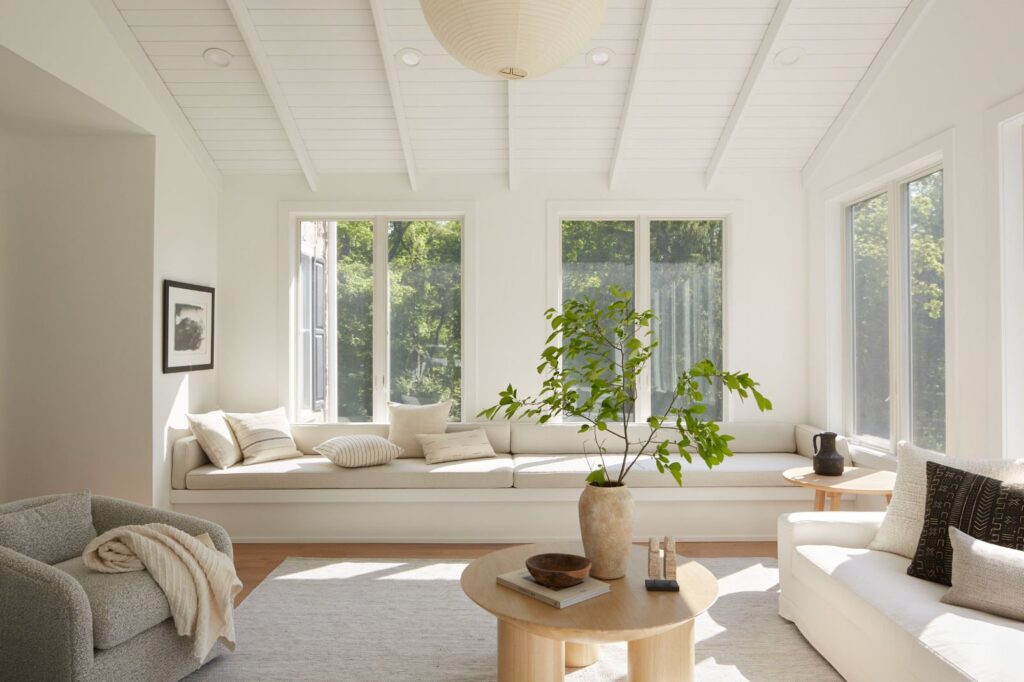
In today’s fast-paced world, your home should be more than a place to sleep—it should be your personal sanctuary. A space where you can breathe deeply, reset your mind, and feel truly at peace.
Designing a calm home isn’t about having expensive furniture or magazine-worthy decor. It’s about creating an environment that nurtures your mental well-being, reduces stress, and supports your lifestyle with intention.
This blog explores how to transform your space into a calm, restorative haven using simple design principles rooted in psychology, mindfulness, and aesthetics.
1. Why Your Home Affects Your Mind
Your environment has a powerful effect on your mood, focus, and energy levels.
📊 Research Shows:
- Clutter increases cortisol (stress hormone)
- Natural light boosts serotonin (feel-good hormone)
- Soft colors and textures promote relaxation
- Noise and visual chaos can cause anxiety and sleep issues
Designing for calm is not a luxury—it’s an investment in your daily peace.
2. The Foundations of a Calm Home
🧘 a) Simplicity
Less clutter = less stress. Minimalism helps reduce overwhelm by creating visual breathing room.
🎨 b) Natural Elements
Incorporating wood, stone, plants, and earth tones brings the healing energy of nature indoors.
🌬️ c) Light and Air Flow
Maximize natural light and good ventilation to improve mood and energy.
3. Choose a Calming Color Palette
Color deeply influences how a space feels.
| Color | Emotional Effect |
|---|---|
| Soft blue | Calming, tranquil |
| Sage green | Restorative, earthy |
| Beige or warm taupe | Grounding, neutral |
| Lavender | Soothing, gentle |
| Muted white | Clean, airy |
Stick with cool, soft, and muted tones—especially in bedrooms and relaxation zones.
4. Declutter Like a Designer (and a Therapist)
Clutter overwhelms the mind, even subconsciously.
📦 How to Declutter Mindfully:
- Start with 1 room, 1 drawer at a time
- Use the “one in, one out” rule
- Keep only items that are functional, meaningful, or beautiful
- Store items out of sight, but within reach
Tip: Use baskets, closed storage, and floating shelves to reduce visual noise.
5. Bring Nature Indoors
Nature reduces anxiety and boosts joy—even when it’s inside your home.
🌿 Try:
- Houseplants like snake plant, pothos, or peace lily
- Natural textures (linen, jute, rattan, wood)
- Stones, seashells, or sand in decorative bowls
- Nature sounds (fountains, wind chimes, playlists)
If you can’t go to the forest—bring the forest to you.
6. Embrace Soft, Layered Lighting
Harsh overhead lighting creates tension. Calm homes use warm, layered light.
🕯️ Use:
- Table lamps and floor lamps with soft bulbs
- Dimmer switches for brightness control
- Warm LED lights (2700K–3000K)
- Candles or Himalayan salt lamps for ambiance
- Natural light during the day—keep windows unobstructed
Avoid cold, fluorescent lighting—your nervous system will thank you.
7. Create a Relaxation Zone
Designate a peaceful corner or room just for unwinding.
🛋️ Elements to Include:
- A comfy chair, cushion, or floor mat
- Soft throw blankets
- Essential oil diffuser (lavender, eucalyptus, chamomile)
- Books, journaling materials, or meditation apps
- No electronics, notifications, or clutter
This becomes your go-to space when you need to reset your mind.
8. Prioritize Comfort in Every Room
Beauty is important—but so is function and feel.
🛏️ In the Bedroom:
- Invest in a supportive mattress and quality bedding
- Use blackout curtains to enhance sleep
- Keep nightstands clutter-free
- Avoid blue-light devices 1 hour before bed
🍽️ In the Kitchen:
- Keep counters clear
- Use calming colors (not overstimulating reds or oranges)
- Display fruits or herbs for freshness
🚿 In the Bathroom:
- Use spa elements (soft towels, wooden accessories)
- Add a plant or candle
- Play soft music during your routine
Comfort = feeling safe, clean, and at ease.
9. Reduce Digital Clutter and Noise
Electronics can drain energy—even silently.
📱 Digital Detox Tips:
- Remove TVs from bedrooms
- Keep cords organized and hidden
- Use “Do Not Disturb” mode after 8 PM
- Create a tech-free zone (even one room)
Your home should feel like a refuge from the digital world, not an extension of it.
10. Add Personal Touches (Without Chaos)
A calm home doesn’t mean sterile—it means curated with care.
💖 Display:
- A few meaningful photos or mementos
- A calming piece of art or poetry
- Items that reflect who you are, without crowding
Less = more presence. More space = more peace.
11. Scents That Calm the Mind
Your nose is directly connected to your brain’s emotional center.
🌸 Use calming aromas:
- Lavender for sleep and relaxation
- Bergamot for mood balancing
- Cedarwood for grounding
- Lemongrass or peppermint for focus
Diffusers, incense, essential oils, or candles can transform your mental state instantly.
12. Feng Shui and Energy Flow
Feng Shui is the ancient Chinese art of arranging space to create flow and harmony.
🧭 Key Concepts:
- Declutter entryways to let good energy in
- Avoid mirrors facing beds or doors
- Arrange furniture for open movement, not blockage
- Balance yin (restful) and yang (active) spaces
Even a few small changes can shift the feel of your entire home.
13. Routine = Calm
Design supports behavior. Build routines around your space.
Examples:
- Morning tea by the window
- Evening wind-down in your cozy corner
- Reading instead of scrolling in bed
- Stretching on the floor while soft music plays
Your home should support your best habits—not tempt you into chaos.
Conclusion
Designing a calm home isn’t about perfection—it’s about intention. It’s choosing to surround yourself with peace, simplicity, and things that nourish your soul.
When your home feels good, you feel good. You rest better, think more clearly, and live more mindfully. Start with one corner, one room, one habit—and let your space become your sanctuary.