
Introduction
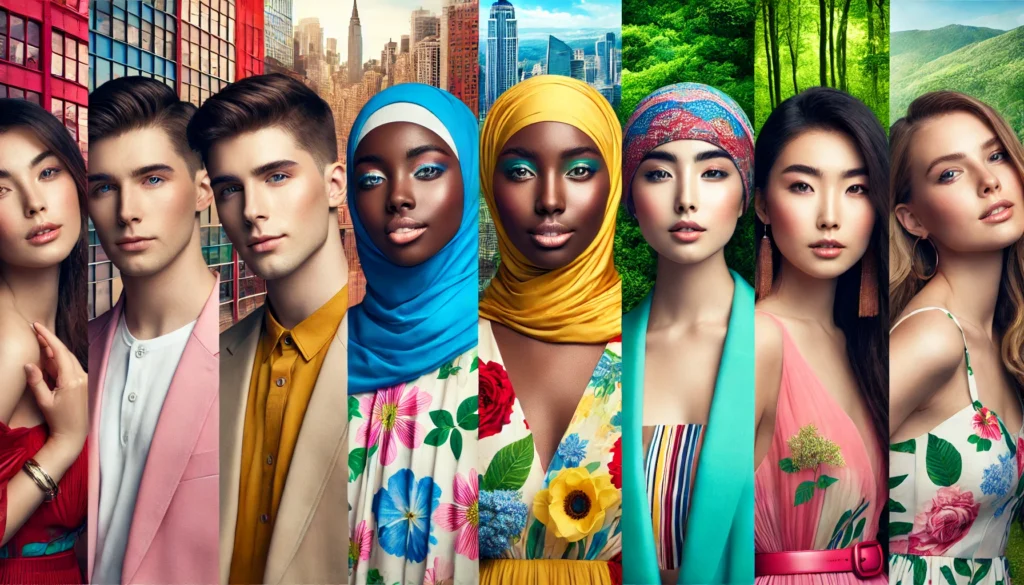
The beauty industry is in the midst of a long-overdue transformation. Once driven by narrow ideals and one-size-fits-all marketing, today’s beauty world is embracing a new vision—inclusive beauty. It’s no longer just about shades or product lines. Inclusive beauty reimagines how we define attractiveness, identity, and self-expression.
As consumer voices grow louder and more diverse, brands are being called to do more than diversify their product range—they must rethink representation, accessibility, and authenticity. This blog explores how inclusive beauty is redefining cosmetic standards, changing industry practices, and empowering consumers of all backgrounds.
1. What Is Inclusive Beauty?
Inclusive beauty is the commitment to serving and representing people of all races, genders, abilities, skin tones, ages, and identities in both products and branding.
It challenges outdated ideals by embracing:
- A wider shade range
- Adaptive packaging and tools
- Diverse marketing imagery
- Products tailored to specific skin types, cultures, and lifestyles
2. Why It Matters
🌍 a) Global Diversity
Consumers come from all corners of the world—with different melanin levels, skin conditions, hair textures, and cultural beauty rituals.
💪 b) Representation Equals Empowerment
When people see themselves in marketing, they feel acknowledged, valued, and inspired.
🧠 c) Mental Health and Identity
Beauty isn’t just skin deep. Feeling excluded or misrepresented can negatively affect self-esteem and confidence.
3. How the Beauty Industry Fell Short
Historically, the beauty industry promoted:
- Eurocentric features as the gold standard
- Limited foundation ranges that excluded darker or deeper tones
- Gendered marketing that ignored non-binary or gender-diverse users
- Airbrushed images that distorted natural beauty
These practices left many feeling ignored, invisible, or “not beautiful enough.”
4. The Game-Changers: Brands Leading Inclusivity
| Brand | Inclusive Moves |
|---|---|
| Fenty Beauty | 50+ foundation shades; diverse marketing |
| UOMA Beauty | Created by Nigerian-born Sharon Chuter; bold shades for deeper skin |
| Rare Beauty | Inclusive product designs + mental health advocacy |
| Live Tinted | Focus on melanin-rich skin tones |
| The Lip Bar | Black-owned; vegan, affordable, inclusive branding |
| Jecca Blac | Gender-free makeup for all identities |
These brands proved that inclusion is not only right—it’s profitable.
5. Inclusive Beauty Is More Than Shades
🧴 a) Formulation Matters
- Products must be designed for oily, acne-prone, textured, or hyperpigmented skin
- Inclusive beauty means offering options that work, not just look good in the bottle
🧼 b) Hair Care for All
Brands like Pattern and SheaMoisture specialize in curls, coils, and textured hair—an area long ignored by mainstream brands
♿ c) Adaptive Packaging
Innovations include:
- Easy-open caps for those with mobility challenges
- Braille labels for visually impaired users
- Lightweight, one-hand applicators
6. Inclusive Marketing and Messaging
Inclusive brands don’t just diversify models—they shift the narrative.
✅ Do:
- Use real people with real skin
- Highlight varied body types, disabilities, and identities
- Celebrate cultural rituals (e.g., henna, loc care, kohl)
🚫 Don’t:
- Tokenize people of color or minorities
- Use diverse models but fail to hire them behind the scenes
- Speak for communities without involving them
7. Age Inclusion in Beauty
Older consumers have long been overlooked, yet they’re a growing segment of beauty spenders.
Brands like Iris&Romeo and BOOM! by Cindy Joseph focus on:
- Skin changes after 50
- Age-positive language
- Embracing wrinkles, silver hair, and mature glow
8. Gender-Inclusive and Non-Binary Beauty
Beauty is for everyone, not just women. The rise of gender-neutral branding reflects how consumers now see cosmetics as:
- Self-expression
- Art
- Wellness—not just grooming
Brands to Watch:
- Fluide – LGBTQIA+ focused
- TooD Beauty – Emphasizes freedom of expression
- Morphe – Collaborates with male and non-binary creators
9. The Role of Technology in Inclusive Beauty
🧠 a) AI Shade Matching
Tools like Match My Makeup or L’Oréal’s AI assistants help users find their perfect match—regardless of undertone or lighting.
🧪 b) Personalized Formulas
Skincare apps like Proven and Atolla use quizzes and AI to create custom regimens based on ethnicity, environment, and skin goals.
🧏 c) AR Accessibility
Try-on tools now come with text-to-speech, captioning, and simplified UX for disabled users.
10. Sustainability and Inclusivity: The Next Step
Inclusive beauty is also planet-conscious. Ethical beauty goes hand in hand with:
- Vegan and cruelty-free formulas
- Clean ingredients safe for all skin types
- Sustainable, inclusive packaging
Brands like Cocokind, Axiology, and RMS Beauty prove you can be both inclusive and eco-friendly.
11. Real Voices: Stories from Consumers
“When I saw a model with vitiligo in a foundation ad, I felt seen for the first time.”
— Amira, 26
“I never wore makeup until I found a brand that didn’t label things for ‘men or women’—just for people.”
— Jake, 22
“My daughter has albinism, and she lit up when she found her shade match online. That moment was priceless.”
— Priya, 38
12. Challenges Ahead
While progress has been made, the industry still faces hurdles:
📉 a) Tokenism in Campaigns
Representation must be authentic—not just seasonal or performative.
🧪 b) Lack of Diversity in R&D
More diversity is needed in formulation labs, decision-making, and boardrooms.
💰 c) Accessibility and Pricing
Inclusive products must also be affordable—not just for luxury buyers.
13. How You Can Support Inclusive Beauty
- Shop from brands that reflect your values
- Follow creators of color, disability advocates, and LGBTQ+ artists
- Speak up when you notice lack of representation
- Celebrate your unique features—beauty starts with self-love
Conclusion
Inclusive beauty is not a passing trend—it’s the new standard. It’s about tearing down barriers, expanding definitions, and creating a world where everyone can feel beautiful, represented, and empowered.
In this new era, beauty is not about perfection. It’s about possibility, presence, and pride—in every shade, shape, identity, and story.
